GI GRAPPLING
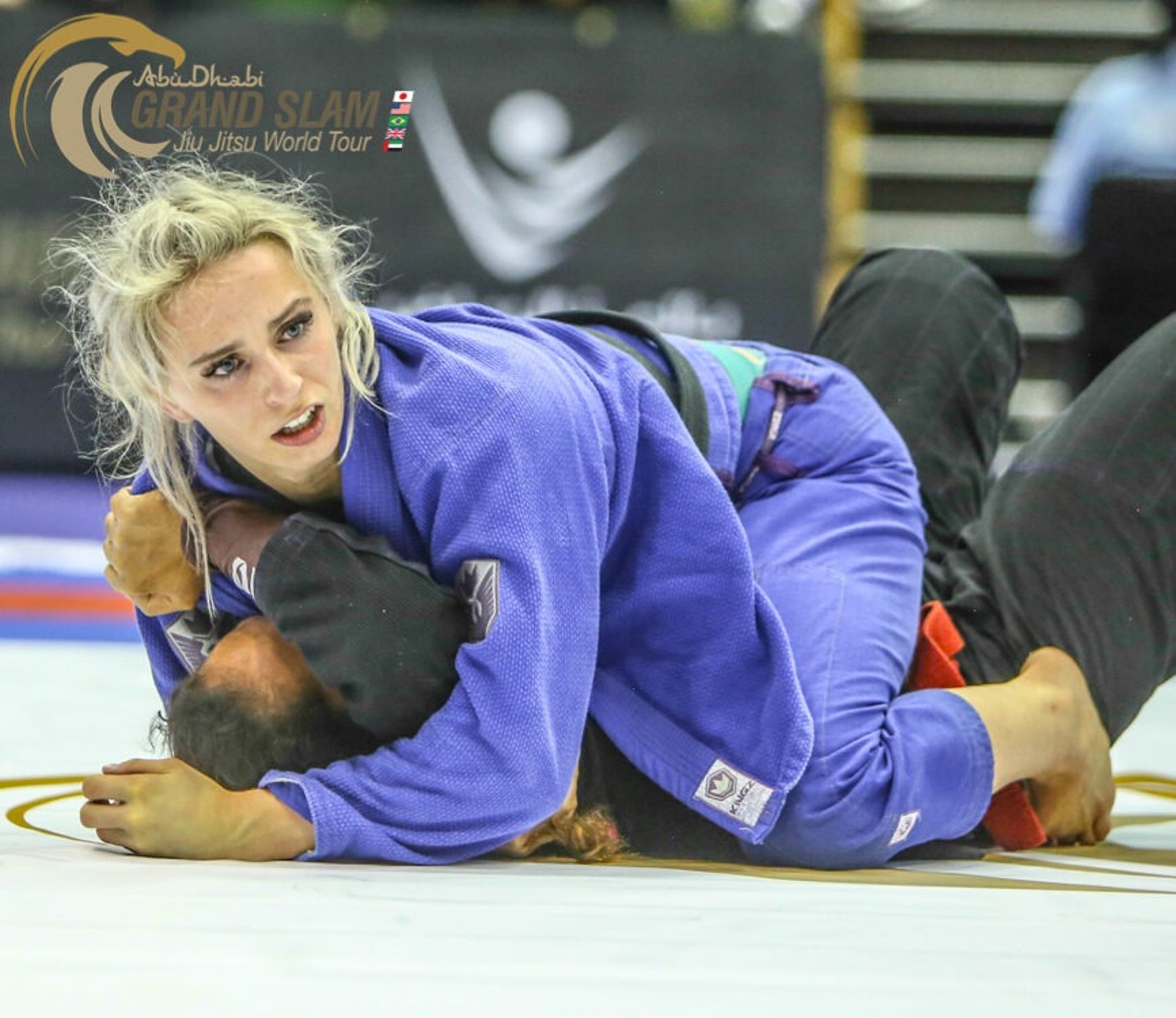
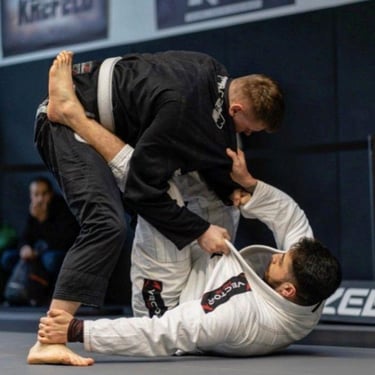
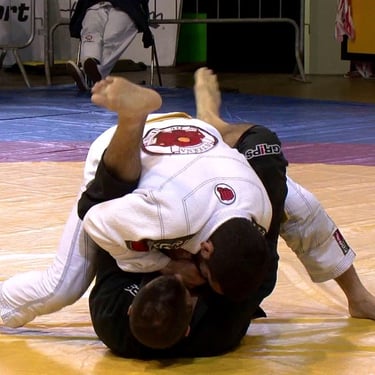
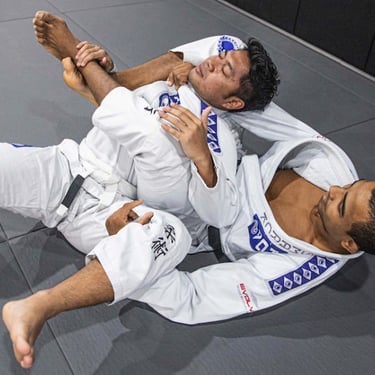
Gi Grappling is a traditional and technical form of submission wrestling where athletes wear a "gi" — a thick, reinforced uniform made of a jacket, pants, and a belt. This uniform isn’t just for show — it plays a central role in the strategy of the sport. The gi can be grabbed and manipulated, which opens up a vast range of techniques such as collar chokes, sleeve grips, lapel wraps, and control-based transitions. Gi grappling is the foundation of Brazilian Jiu-Jitsu (BJJ) and is deeply rooted in the martial arts traditions of Judo and Japanese jiu-jitsu.
In this style, the pace of the match tends to be more methodical than in No-Gi. Athletes often engage in battles for grips, working to establish control and pass the opponent’s guard using the gi for leverage. The fabric of the gi allows practitioners to apply a wide array of submission holds and controls that aren’t possible in No-Gi. For example, you’ll see techniques like the cross-collar choke, Ezekiel choke, and worm guard, which are unique to Gi grappling. Because the gi slows down movement slightly, it allows for a more strategic, chess-like experience where timing, pressure, and positioning are everything.
🥋 Frequently Used Techniques in Gi Grappling
These techniques are deeply tied to the gi uniform, using grips on sleeves, collars, lapels, and pants to control the opponent, apply submissions, and dominate the match.
1. Grips & Control Techniques
Sleeve Grips
Essential for controlling the opponent’s arms, initiating sweeps, and defending against passes.Collar & Lapel Grips
Used for powerful chokes, setting up throws, and establishing dominant positions like closed guard or spider guard.Pant & Belt Grips
Help control the hips, stop escapes, and aid in sweeps and passes (especially in open guard).
2. Takedowns & Throws
Osoto Gari (Major Outer Reap)
A classic Judo throw adapted in Gi Grappling. Grip the collar and sleeve, step outside the opponent’s leg, and sweep them to the mat.Seoi Nage (Shoulder Throw)
Using a strong sleeve and lapel grip to throw the opponent over the shoulder.Collar Drag
A tactical movement to off-balance and take down the opponent using collar control.
3. Guard Systems
Closed Guard
Controlling the opponent with your legs locked around their waist. Ideal for submissions and sweeps using lapel and sleeve grips.Spider Guard
Involves gripping the opponent’s sleeves while using your feet on their arms to control posture and attack.De La Riva & Lasso Guard
Open guard styles using pant and sleeve grips to control and off-balance, often leading to sweeps or back takes.Worm Guard (Modern)
Unique to the gi, it involves entangling the opponent using their own lapel for extreme control and sweep setups.
4. Sweeps & Transitions
Scissor Sweep
Using collar and sleeve control to off-balance and roll the opponent to mount.Pendulum Sweep
From closed guard, using momentum and hip control to reverse positions.X-Guard & Lapel Sweeps
Advanced sweeping techniques using lapel wraps and off-balancing to gain top position.
5. Submissions
Cross Collar Choke
One of the first and most effective gi chokes, using deep lapel grips from guard or mount.Bow and Arrow Choke
A tournament favorite. Grabbing the collar from the back and using the leg to pull for maximum pressure.Ezekiel Choke
Can be applied from mount or inside the guard using the sleeve and arm around the neck.Baseball Bat Choke
Gripping the opponent’s collar like a baseball bat and rotating for a tight choke.
🧠 Why These Techniques Matter in Gi Grappling
What makes Gi Grappling unique is the technical depth and control the gi provides. It’s a chess match of grips, pressure, and leverage. Every inch of fabric can be a tool for domination — making this style highly strategic and cerebral.
Whether you're on the mat to compete, train, or grow, mastering these techniques is key to excelling in Gi Grappling.


Grappling Association Of Maharashtra
©2025 All rights reserved
©2025 Grappling Association of Maharashtra
Follow Us!!
Head Office: Ishma Sports & Fitness Club, B/H Pratapgarh Nagar, Dindori, Nashik, MH - 422202.
Contact Us!!
To Report any Technical Issue or Assistance Contact at
कोणत्याही तांत्रिक समस्येची तक्रार करण्यासाठी किंवा मदत करण्यासाठी येथे संपर्क साधा
⚠️
Technical Administrator GAM